Once we’ve spent time learning about ourselves, our families, and our homes, I like to explore something we all experience—feelings!
Our classroom family is getting comfortable with one another, and that gives us a place to talk about feeling happy, sad, excited, frustrated, worried, and everything in between.
In my 4K classroom, an emotions theme is about giving children words to describe their experiences, noticing how others might feel, and practicing ways to ask for help. And just like our other themes, we learn through hands-on play!
Start with Everyday Moments
We don’t need to wait for a planned lesson to talk about emotions. Our day is full of opportunities.
A block tower falls. A friend invites someone to play. Saying goodbye at the classroom door feels hard. A child finally completes a puzzle they’ve been working on.
We can gently put words to those moments:
“That looks frustrating. You worked hard on your tower.”
“You seem excited to show your picture!”
“I wonder if you’re feeling sad. Would you like to tell me?”
I try to leave room for children to tell me how they feel. What we notice on the outside doesn’t always tell us everything happening on the inside.
Make Feelings Hands-On
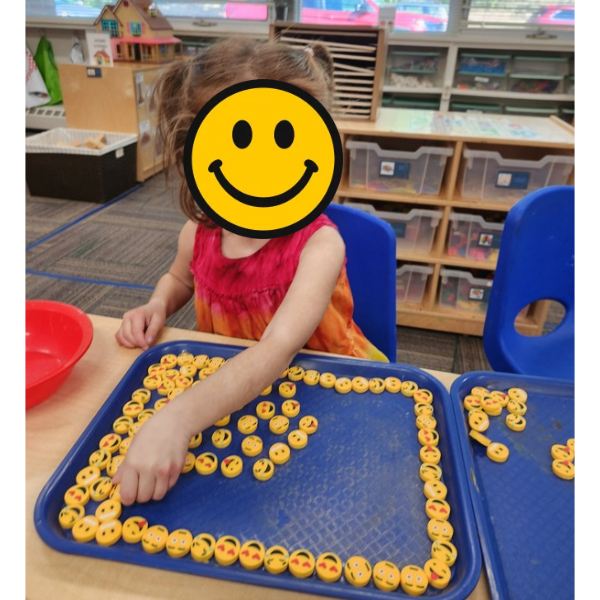
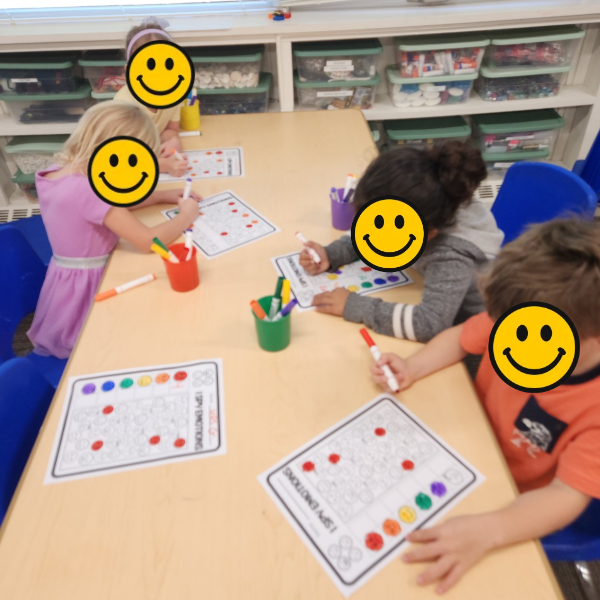
Emotions can be a big topic for little learners. Play gives us concrete ways to explore them without expecting children to explain everything in words.
Some of my favorite activities include:
Playdough faces: Create different expressions and talk about what the person might be feeling.
Mirror exploration: Notice what our faces do when we smile, frown, or look surprised.
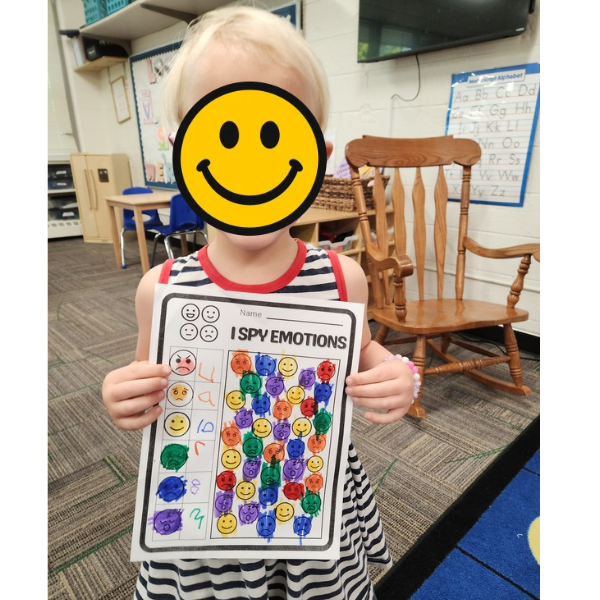
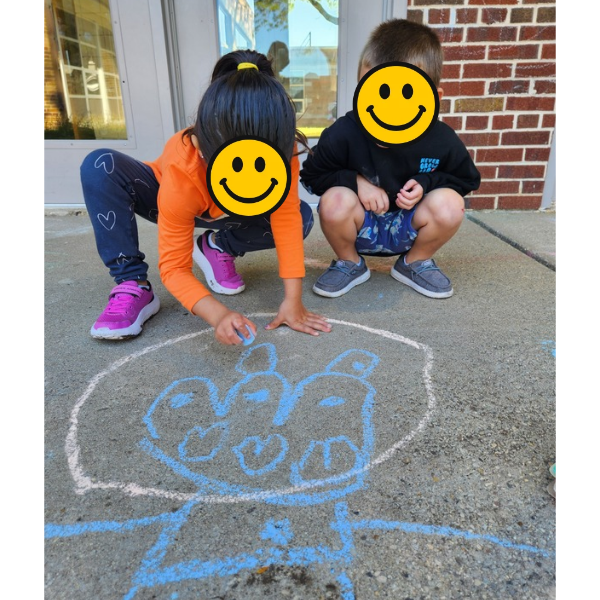
Emotion drawing: Invite children to draw themselves feeling a certain way or choose colors to represent a feeling.
Puppet play: Help a puppet work through a familiar situation, such as waiting for a turn.
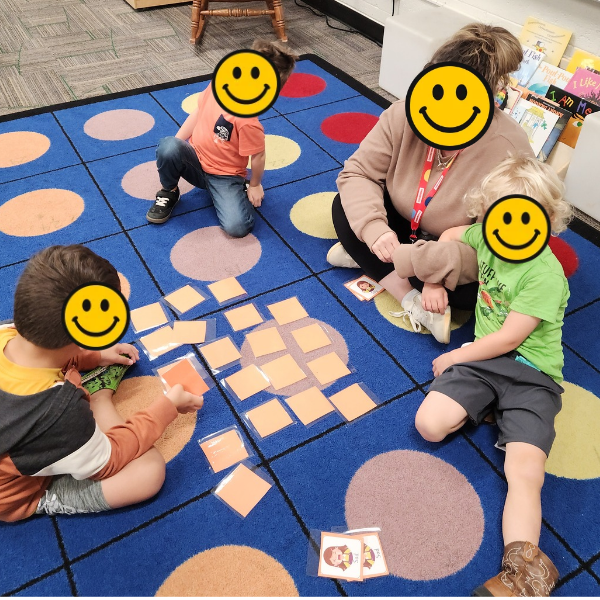
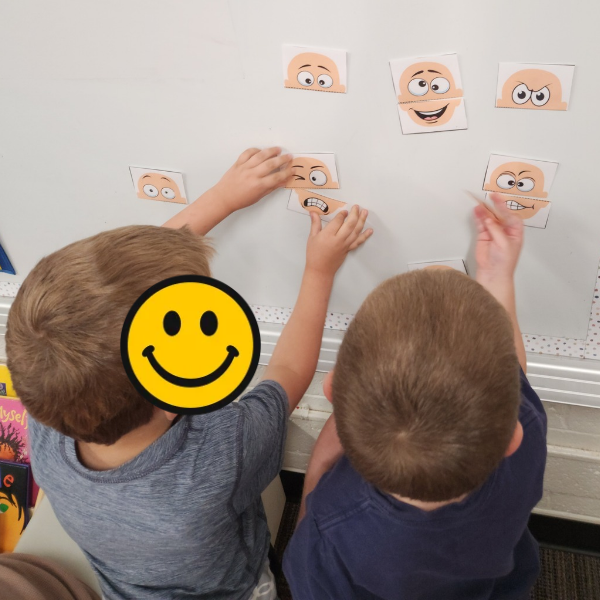
Matching games: Match emotion pictures and discuss clues, while remembering that people can show the same feeling differently.
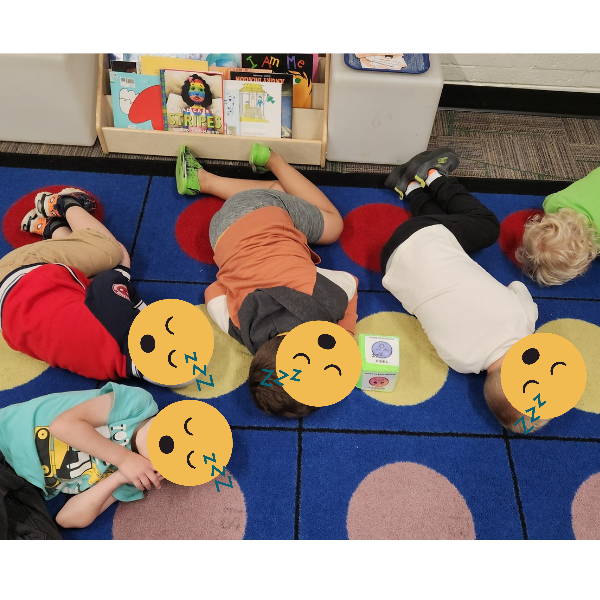
Movement activities: Stretch, stomp, curl up, or reach high to explore how feelings might show up in our bodies.
There doesn’t have to be one correct-looking “sad face” or “happy picture.” The conversations and discoveries matter more than making every creation look the same.
Bring Feelings into Morning Meeting
A simple feelings check-in can become part of our morning routine.
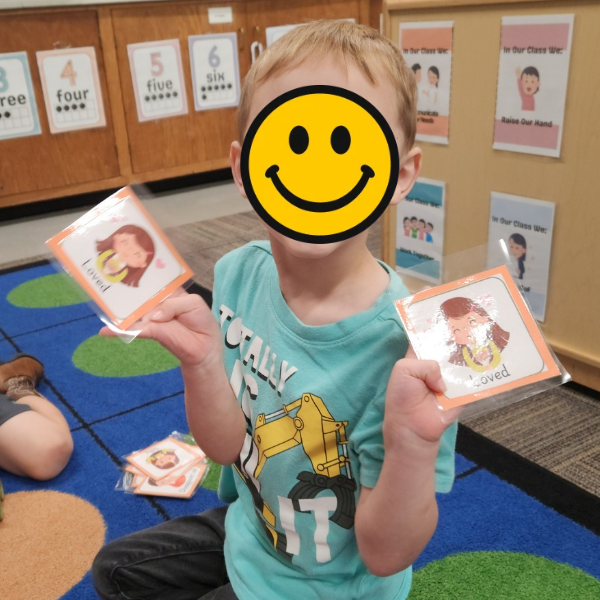
Children might point to a picture, share a word, or choose to pass. I keep it open and welcoming—no one needs to explain a feeling in front of the group.
We can also use a puppet or a pretend situation to start a conversation:
“Our puppet wants to play, but all the bikes are being used. How might they feel? What could they do?”
This gives children a chance to explore ideas together without putting anyone’s personal experience on the spot.
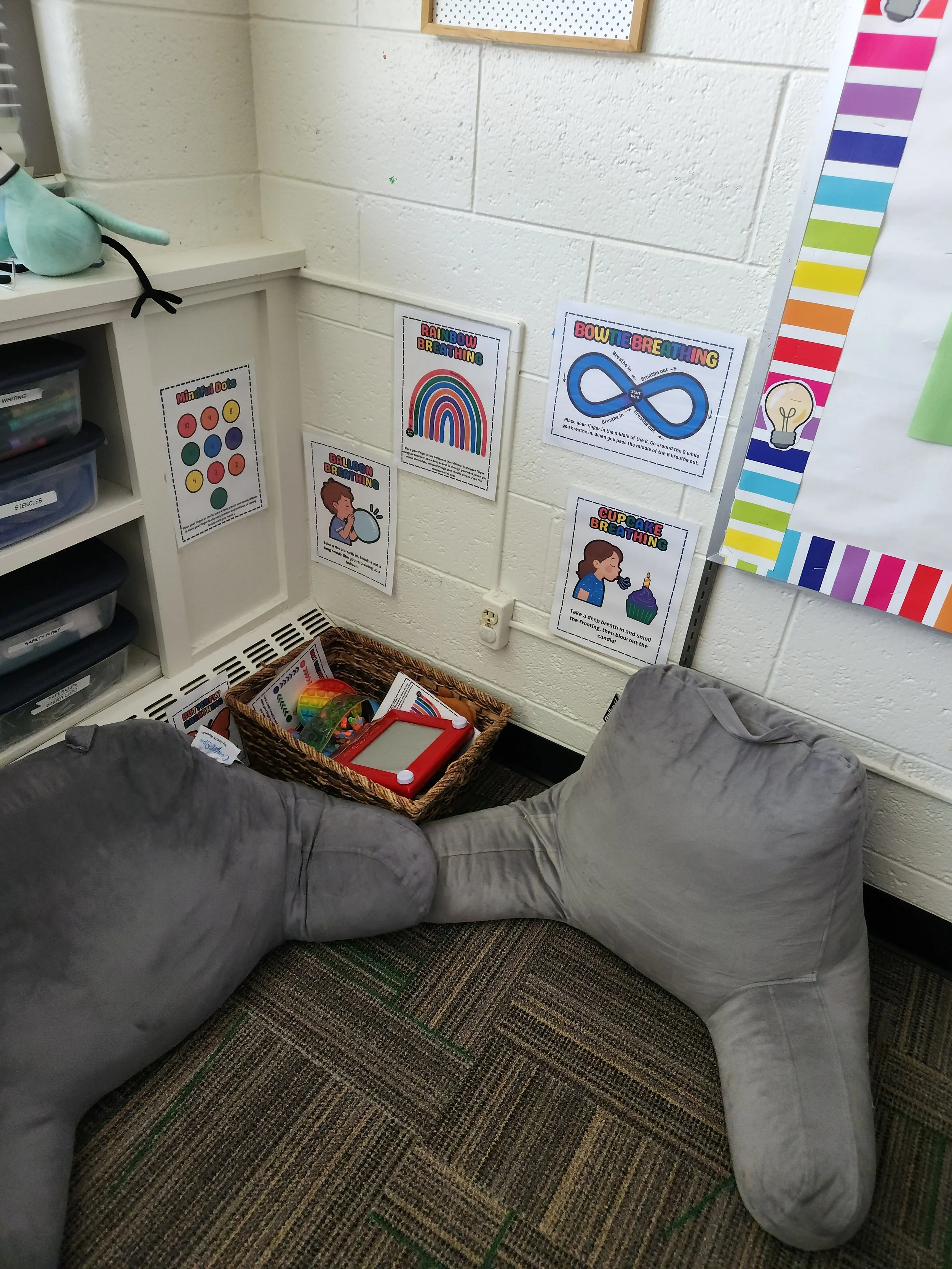
Practice Calm Moments Before We Need Them
When a child is overwhelmed, trying a brand-new strategy can be hard. I like to introduce calming tools during relaxed, playful moments so they become familiar.
We might practice:
Taking slow breaths while pretending to smell a flower and blow out a candle.
Gently stretching our arms and shoulders.
Asking an adult for help.
Choosing a quiet space.
Saying, “I need a break.”
Holding or squeezing a soft classroom tool.
Different children may prefer different supports. We explore choices and notice what feels helpful.
A calming corner can give children a comfortable place to pause, with an adult nearby to support them. It’s a space for care and practice, and children don’t have to manage big feelings all on their own.
All Feelings Are Welcome
One message I want children to hear is: You can feel angry, sad, worried, or frustrated, and you still belong here.
We can accept a feeling while helping a child find a safe way to respond.
“You’re angry. I won’t let you hit. I’m here to help.”
“You wanted another turn. Waiting is hard. Let’s figure out what you can do while you wait.”
This takes repetition, patience, and support. An emotions theme gives us a starting point, but the learning continues in everyday classroom life.
Help Children Notice and Care for Others
As we explore feelings, we also practice caring for our classroom community.
Through stories and pretend play, we can wonder together:
“How might that character feel?”
“What could we say?”
“Should we ask if they want help?”
I like to remind children that we can ask someone how they feel instead of guessing. We can also offer choices: “Would you like help, some space, or for me to sit with you?”
Small moments of kindness help children practice being thoughtful classmates while respecting what others need.
Keep the Learning Going
Our emotions resources stay useful long after the theme ends. A playdough mat can return to a center. A feelings picture can help a child find a word. A familiar breathing activity can become part of a transition.
At TinyMindsMatter, I believe hands-on learning includes learning about ourselves and how we care for one another. Exploring emotions gives little learners opportunities to share, practice, and grow with the support of their classroom family.
Looking for playful ways to explore feelings? Visit my TinyMindsMatter Teachers Pay Teachers store for emotions activities, including playdough mats, matching games, drawing pages, and movement activities.
Big feelings belong in our classroom—and so do the little learners experiencing them.
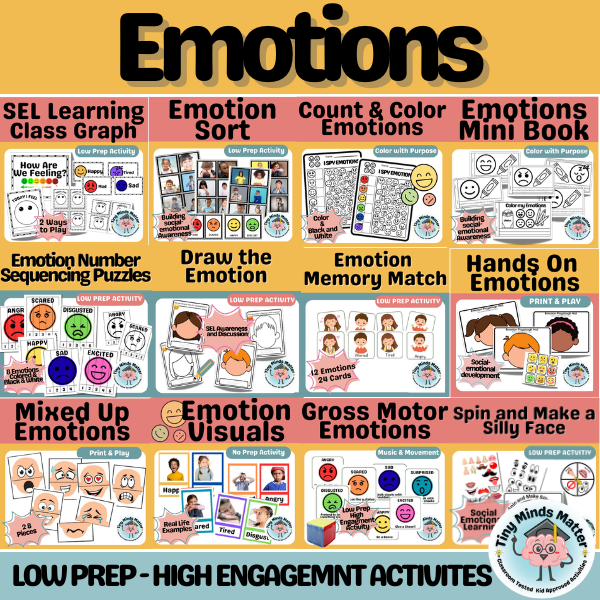
Get more Emotions Activities Here » TinyMindsMatter | Teachers Pay Teachers
