Start with the Basics: Building Confidence with Shapes and Colors
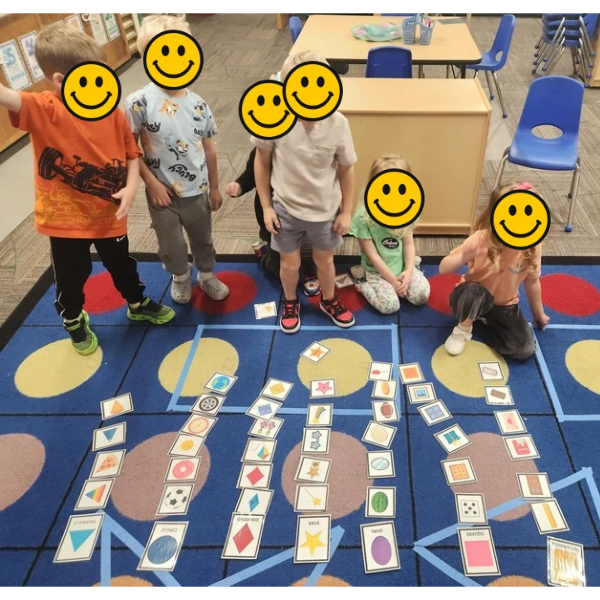
The beginning of the school year is full of new experiences for little learners—new faces, new routines, new materials, and a new space to explore. There is already so much to learn before we even begin our first lesson!
That’s why I like to start with the basics. Once we’ve spent time establishing routines and building our classroom community, I begin with a review of shapes and colors.
Familiar activities give children a chance to participate, experience success, and think, “I can do this!” That feeling can help them become eager to try something new.
First, Build a Place Where Children Feel They Belong
During those first days, we spend time learning how our classroom works. We practice putting materials away, moving between activities, asking for help, and taking turns. We sing songs, play name games, and get to know one another.
These moments are part of the learning. Before I ask children to take on new challenges, I want them to feel comfortable exploring, sharing ideas, and making mistakes.
Our routines and relationships continue to grow throughout the year, but that early foundation helps us begin learning together.
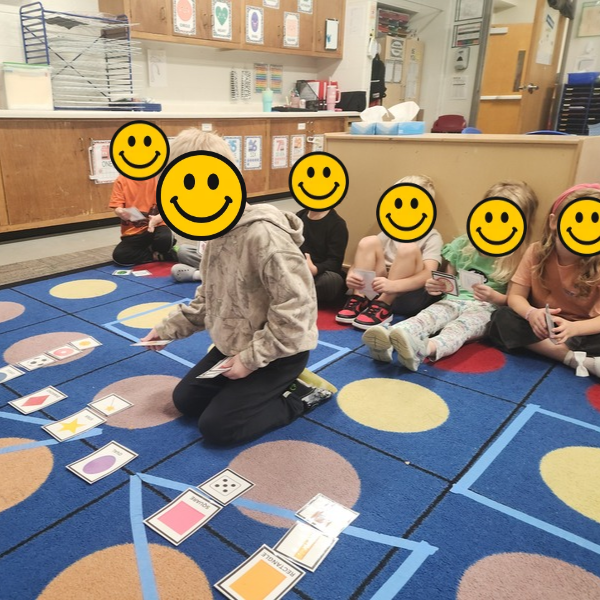
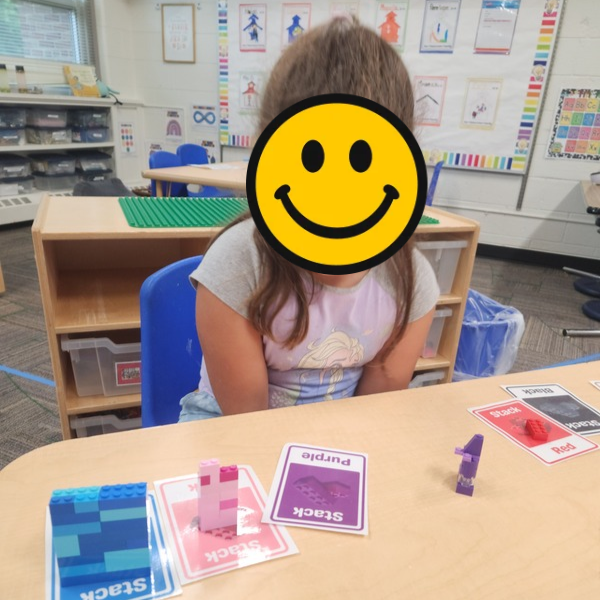
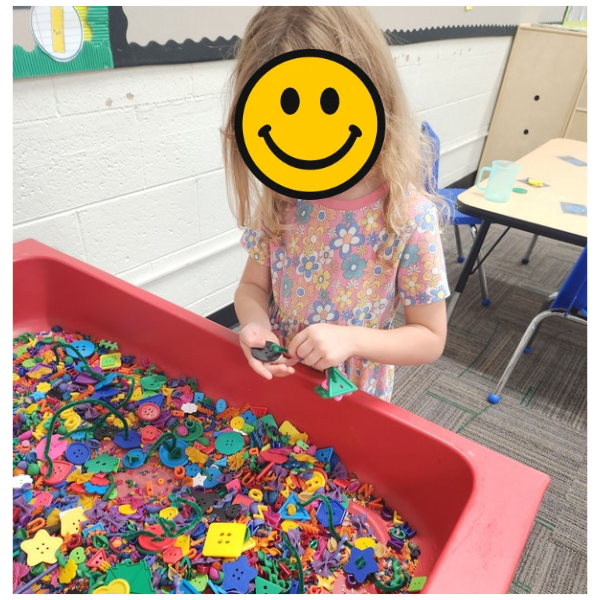
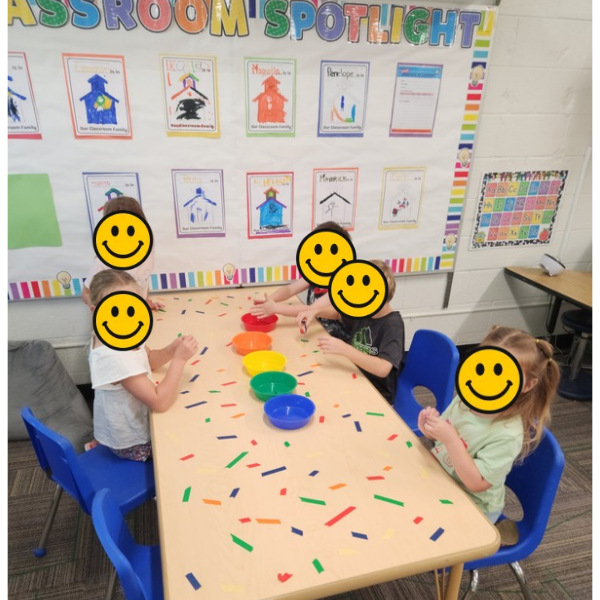
Familiar Skills Make a Welcoming Starting Point
Shapes and colors offer lots of ways for children to join in. Some students arrive ready to name every color and shape. Others are still learning to match, sort, or find the words to describe what they see.
A review gives everyone an entry point. One child might match two red blocks, while another explains why a square and a rectangle are different. Both are participating in meaningful learning.
I want our first activities to feel inviting and manageable. When children recognize something familiar and experience success, they may be more willing to raise a hand, share an idea, or try the next activity.
Make the Review Hands-On and Playful
Review doesn’t have to mean sitting with a stack of worksheets. In my classroom, we explore shapes and colors through movement, building, art, and play.
A few simple ways to get started include:
Color hunts: Find classroom objects that match a chosen color.
Shape hunts: Look for circles, squares, triangles, and rectangles around the room.
Sorting trays: Sort blocks, counters, or other classroom materials by color or shape.
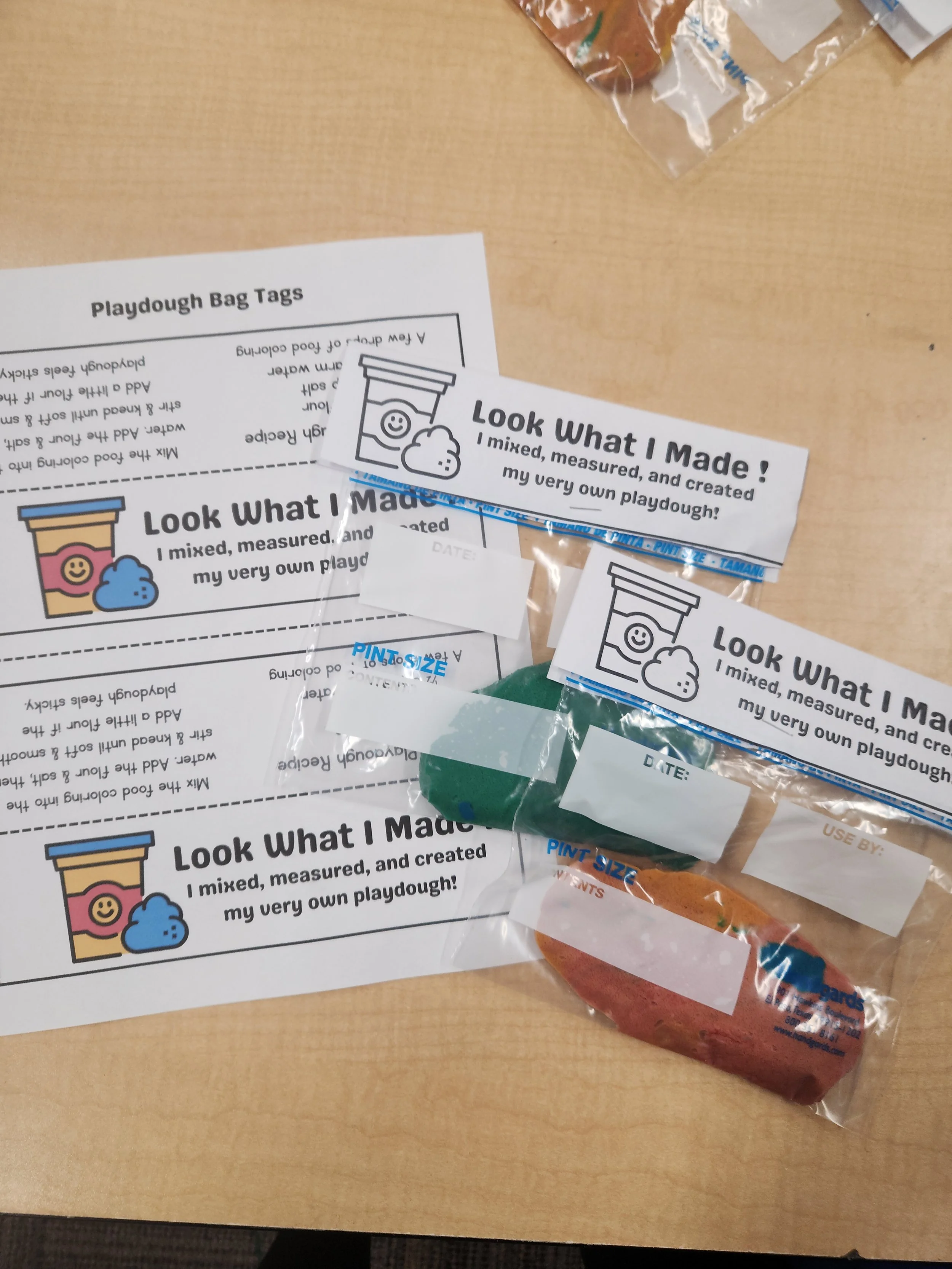
Playdough shapes: Roll, flatten, and build shapes with playdough.
Shape pictures: Combine paper shapes to create a house, person, animal, or an imagined design.
Movement games: Choose a color or shape card and invite children to move to its matching spot.
These activities also give us opportunities to practice classroom routines. We learn how to share materials, follow simple directions, clean up, and work alongside friends—all while reviewing familiar concepts.
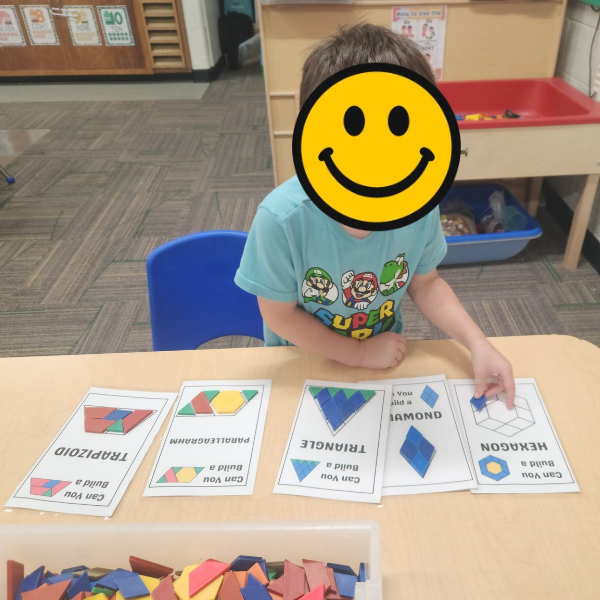
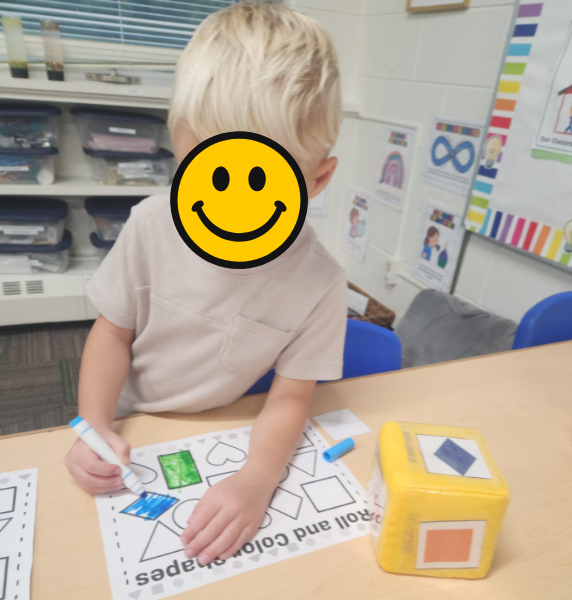
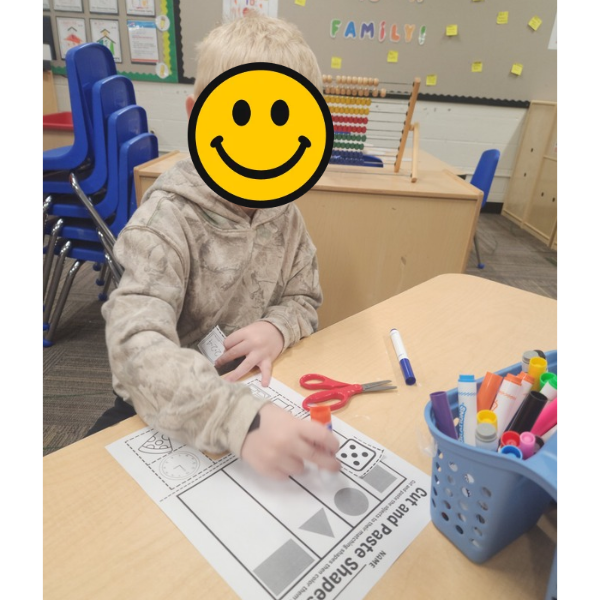
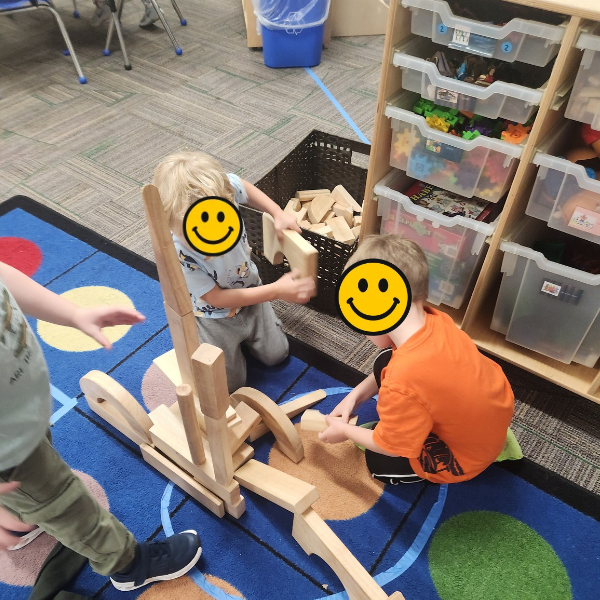
Use Review to Get to Know Your Learners
As children play, I can observe what they already know and where they might need support.
Can they match colors even if they don’t name them yet? Do they recognize a triangle when it is turned a different way? How do they approach sorting? Do they jump right in, watch a friend first, or ask for help?
These observations help me choose our next steps. I can offer extra practice where it’s needed and add a challenge for children who are ready.
For example, a child who is comfortably sorting by color might try sorting the same materials by shape. A child who recognizes basic shapes might use them to build a picture and explain their choices.
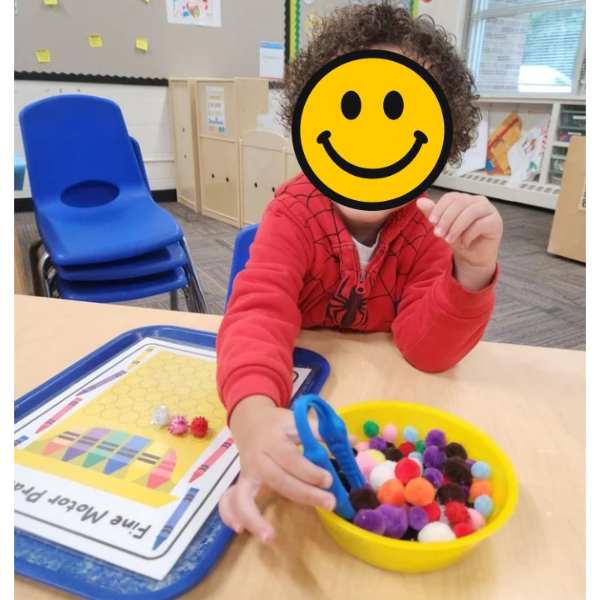
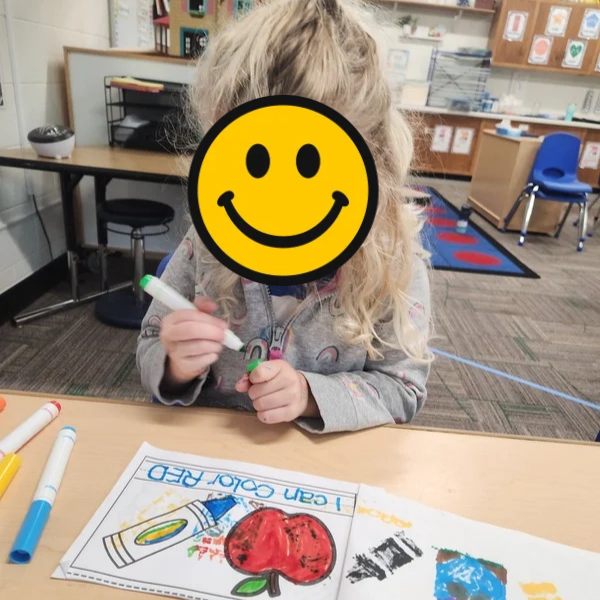
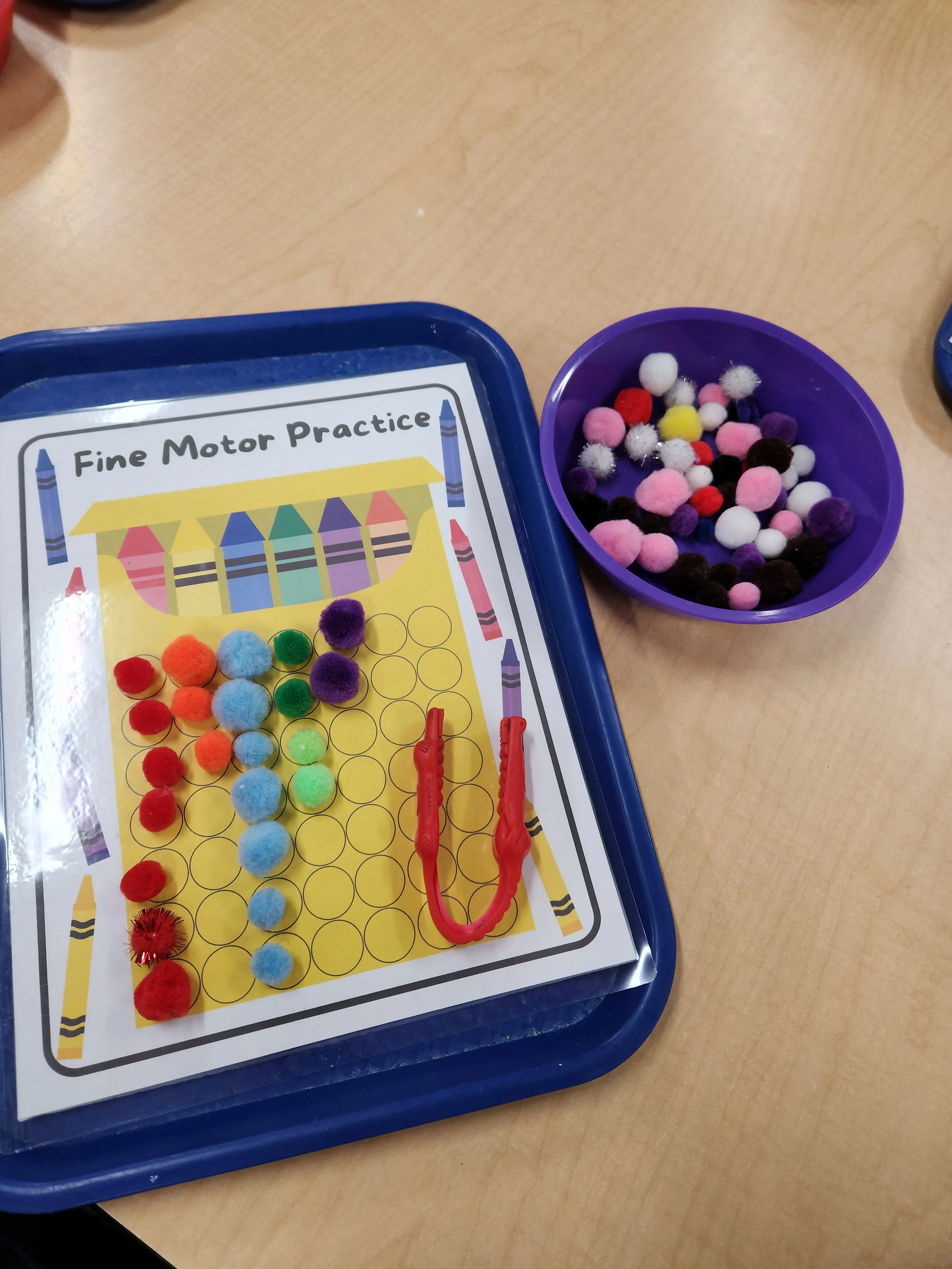
Let Small Successes Lead to New Challenges
Starting with familiar concepts gives us a place to build from. Color sorting can lead to patterns. Shape pictures can lead to counting, comparing, and describing. A classroom hunt can lead to questions about the objects we use every day.
I like to notice children’s efforts with specific words:
“You found another object that matches!”
“You turned that shape to make it fit!”
“You tried a new way to sort your blocks!”
Those small moments help children recognize what they can do and see that their ideas matter.
At TinyMindsMatter, I believe learning begins with connection, curiosity, and opportunities to feel capable. Starting our year with shapes and colors gives us a playful way to practice, build confidence, and get excited about what comes next.
Looking for activities to begin your year? Visit my TinyMindsMatter Teachers Pay Teachers store for hands-on shapes and colors resources for preschool, Pre-K, 4K, and kindergarten.
Start simple, celebrate progress, and give little learners room to grow!
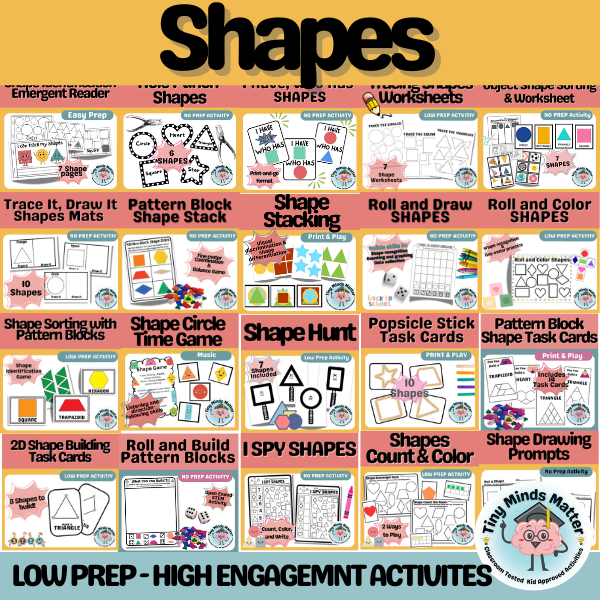
Get your Shape Activities Here » Preschool Shape Activities | 2D SHAPES Bundle | PreK & Kindergarten Centers
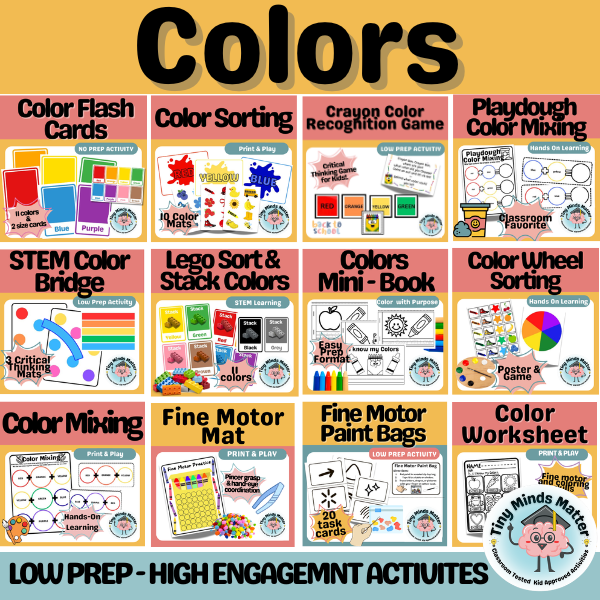
Get your Color Activities Here » Learning Colors Activities | Color Recognition & Mixing | Preschool Bundle
